


11 Puerto Rico Landmarks Worth Your Time
- Coquí Guides

- Apr 27
- 7 min read
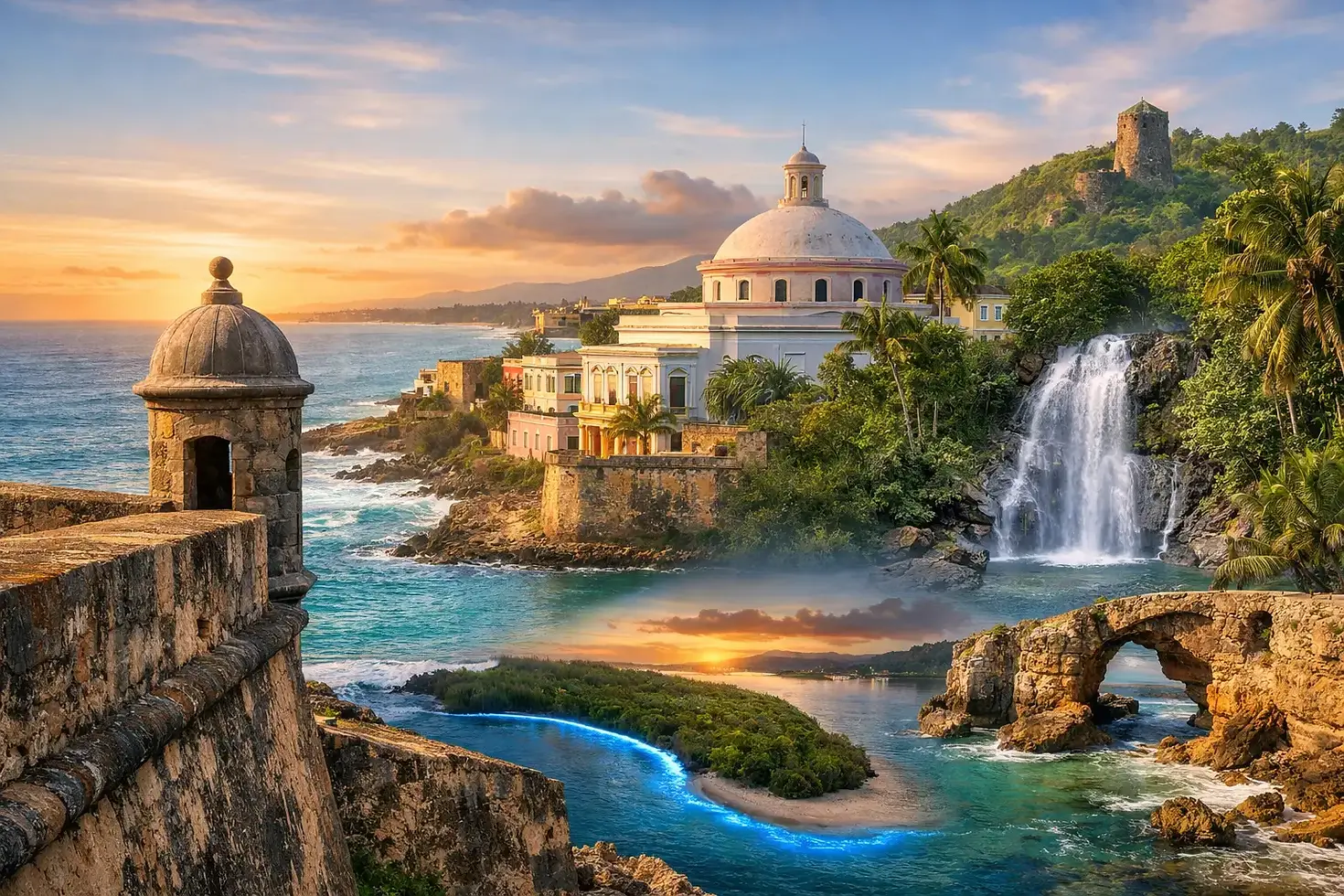
The first time you see El Morro rising over the Atlantic, it does not feel like a checklist stop. It feels like Puerto Rico introducing itself properly - bold, layered, and impossible to reduce to one quick photo. That is the real appeal of Puerto Rico landmarks: they are not just places to tag on a map. They tell you how the island was shaped by Spanish colonial rule, African and Taíno heritage, migration, faith, resistance, and the natural forces that still define everyday life here.
If you are planning your trip, the smartest approach is not trying to see everything. It is choosing landmarks that match the kind of day you want. Some are best for slow walking and history. Others reward an early start, sturdy shoes, or a full afternoon. And some of the most memorable stops sit just beyond the obvious postcard circuit.
Why Puerto Rico landmarks feel bigger than the stop itself
One reason travelers remember these places so vividly is that the settings do more than look impressive. They create context. A fortress in Old San Juan is also a lesson in empire and survival. A rainforest trail is also a look at why the island feels so alive, green, and dramatic. A plaza, cathedral, or lighthouse can change the pace of your entire day.
That matters if you prefer independent travel. Instead of moving through a rigid group schedule, you can build your own rhythm. Maybe you spend an hour at a fort and then linger over lunch nearby. Maybe you pair a famous site with a quieter beach, overlook, or local food stop. The best itineraries in Puerto Rico usually work that way - one major landmark, one scenic detour, one surprise.
11 Puerto Rico landmarks worth building a day around
1. Castillo San Felipe del Morro
If you only visit one historic landmark, this is the obvious choice for a reason. El Morro anchors Old San Juan with six levels of military engineering, massive walls, and ocean views that make the whole site feel cinematic. You can appreciate it casually, but it gets better when you understand what it was built to do - protect one of Spain's most valuable ports in the Caribbean.
Go early if you want softer light and fewer crowds. Midday can be hot, and the grounds are more exposed than many first-time visitors expect. The upside is that even a short visit feels substantial, especially if you like history with a dramatic backdrop.
2. Castillo San Cristobal
San Cristobal is often overshadowed by El Morro, which is exactly why it deserves more attention. It is enormous, strategic, and easier to underestimate from photos than in person. If El Morro gives you the iconic postcard angle, San Cristobal gives you the scale of the city’s old defensive system.
This is a great stop for travelers who enjoy walking through tunnels, garitas, and open ramparts without feeling rushed. If you have time for both forts, do both. If not, your decision depends on what you want more - coastal drama at El Morro or sprawling military architecture at San Cristobal.
3. Old San Juan itself
Yes, the whole district counts. Old San Juan is one of those rare places where the streets between landmarks feel as memorable as the landmarks themselves. Blue cobblestones, colorful facades, churches, balconies, and sea views keep rewarding you even when you are not trying.
The trade-off is popularity. It can get crowded, especially when cruise passengers are in town. But that does not mean it is overrated. It just means timing matters. A morning walk or evening stroll changes the experience completely.
4. Catedral Basilica Menor de San Juan Bautista
This cathedral brings a quieter kind of gravity to Old San Juan. It is one of the oldest churches in the Americas, and stepping inside gives you a different window into the island’s history than the forts do. The mood shifts from military defense to faith, ritual, and continuity.
It is not the kind of landmark that demands hours, and that is part of its charm. Even a brief visit can add depth to your Old San Juan day, especially if you want a break from the heat and crowds outside.
5. La Fortaleza
You may know La Fortaleza from the pastel-blue exterior and elegant street views, but its real significance runs deeper. It is the oldest executive mansion in continuous use in the Western Hemisphere and a symbol of Puerto Rico’s political history.
Access can vary, so this is not always a full interior experience for every traveler. Still, even seeing it from outside while walking through Old San Juan gives you a sense of how power, architecture, and daily life overlap in this part of the city.
6. El Yunque National Forest
Not every landmark is manmade, and El Yunque proves the point fast. This tropical rainforest is one of the island’s signature experiences, with waterfalls, mountain views, dense vegetation, and the unmistakable soundtrack of coquí frogs and birdsong.
It is also where planning matters most. Weather shifts quickly, trail conditions can change, and some visitors expect an easy scenic drive when what they really want is a short hike with a payoff. Decide in advance whether you are after viewpoints, water, or a more active trail day. Families and casual explorers can still have an unforgettable visit without tackling the longest routes.
7. Yokahú Tower
Within El Yunque, Yokahú Tower deserves its own mention because it gives you one of the easiest panoramic rewards on the island. Climb up, and the forest canopy opens into broad views that help you understand the scale of the terrain.
This is a smart stop if you want a landmark feel without a major time commitment. Pair it with one or two nearby trail or waterfall stops, and you have a full half-day that feels adventurous without becoming exhausting.
8. Cueva Ventana
Some landmarks wow you with history. Cueva Ventana does it with perspective. The cave’s famous opening frames the valley below in a way that feels almost unreal, and the approach adds enough anticipation to make the reveal land even harder.
This one is better for travelers comfortable with a little physical effort. Conditions, access, and guided requirements can vary, so it is worth checking ahead rather than assuming it is a simple roadside stop. If you like dramatic geology and memorable photo moments, it is one of the island’s strongest contenders.
9. Arecibo Lighthouse and Historical Park area
The Arecibo coastline has a rugged appeal that feels different from San Juan’s polished historic core. The lighthouse area brings together ocean views, cliffside scenery, and a sense of the island’s maritime history. It is less about one singular monument and more about the atmosphere of the coast.
This region works especially well for travelers road-tripping the north side of the island. It is easy to combine with other stops rather than treating it as a standalone destination.
10. Parque de Bombas in Ponce
Bright, striped, and instantly recognizable, Parque de Bombas is one of Puerto Rico’s most photographed buildings. But it is not famous only because it looks good on camera. The former firehouse carries civic pride and local identity in a way that feels distinct from the colonial landmarks of San Juan.
If your trip includes the south, Ponce offers a different personality - more relaxed in some ways, more classically urban in others. Parque de Bombas is a quick stop, but it opens the door to exploring the city’s plaza, architecture, and cultural layer beyond the capital.
11. Cabo Rojo Lighthouse
For sunset energy and coastal beauty, Cabo Rojo Lighthouse is hard to beat. The limestone cliffs, salt flats nearby, and wide-open sea views create a landscape that feels almost cinematic in an entirely different way than Old San Juan.
This is one of those Puerto Rico landmarks where the journey is part of the reward. The west side moves at its own pace, and the whole area invites you to slow down. If your trip needs one scenic reset from city streets and historic sites, this is a strong pick.
How to choose the right landmarks for your trip
The best lineup depends on where you are staying and how you like to travel. If this is your first visit and you are based in San Juan, start with Old San Juan, El Morro, and San Cristobal, then add El Yunque for contrast. That combination gives you history, views, and nature without overcomplicating logistics.
If you have a rental car and want more range, stretch outward. Ponce gives you a cultural shift. Cabo Rojo adds coastal drama. Arecibo and Cueva Ventana work well for travelers who enjoy scenic drives and a little variety in terrain.
It also helps to be honest about energy level. Some landmarks look close together on a map but take more time than expected once parking, walking, heat, and meals enter the picture. A flexible day almost always feels better than an overloaded one. That is why self-paced planning works so well here - you can follow the mood of the day instead of racing the clock. Tools like Coquí Guides can make that easier by giving you local context while letting you explore on your own schedule.
The mistake most travelers make with Puerto Rico landmarks
They treat landmarks as separate pins instead of connected experiences. The fort is not just the fort. It is also the walk there, the street musician nearby, the view from the wall, the coffee stop after, and the neighborhood details you would miss if you rushed out after ten minutes.
Puerto Rico rewards travelers who leave room for that. See the famous places, absolutely. They are famous for good reason. But give yourself enough time to notice what happens around them, because that is usually where the island starts to feel personal.
Pick a few landmarks that genuinely excite you, build a day with some breathing room, and let the island do the rest.


Comments