


Puerto Rico Parking Questions Answered

The waterfall is calling, your dinner reservation is 15 minutes away, and suddenly every curb in Old San Juan looks like a potential parking ticket. Puerto Rico parking questions can feel surprisingly high-stakes when you are driving a rental car in a place you want to explore freely. The good news: a little local awareness goes a long way, and parking does not have to shrink your adventure.
For independent travelers, a car opens the door to mountain viewpoints, quiet beaches, roadside lechoneras, and places that do not fit neatly into a group-tour schedule. It also requires a different rhythm in each part of the island. Plan for parking as part of the experience, not an afterthought, and you will spend less time circling blocks and more time discovering what makes each stop unforgettable.
Puerto Rico Parking Questions: The Big Rules
Puerto Rico follows U.S.-style traffic conventions, but signs, street layouts, and parking availability can vary dramatically between neighborhoods and towns. The simplest rule is this: follow posted signs, marked curbs, and painted spaces over assumptions. A spot that looks open may be reserved, metered, restricted during certain hours, or too close to an intersection.
Never block a driveway, fire hydrant, entrance, crosswalk, or travel lane. Do not park in a space marked for accessible parking unless you have the required permit. In busy areas, double-parking may look common, especially when someone is quickly picking up food or unloading, but it can create a real obstruction and is not a smart choice for a visitor.
When signs are limited or unclear, choose a paid lot, garage, or clearly designated public space. It may cost more than trying to find free street parking, but it buys time, confidence, and a much easier return to your car after a long day out.
What do curb colors mean?
Curb markings and local signage should always have the final word. In general, a yellow-painted curb signals caution or a restriction, often related to loading, stopping, or no parking. A blue-marked space is typically reserved for accessible parking. Red curbs commonly indicate that parking is prohibited, particularly near safety zones.
Not every street is painted consistently, so do not treat curb color as your only clue. Look for signs on poles, check whether neighboring cars are legally parked within marked spaces, and avoid spots that interfere with traffic flow. If you are unsure, keep moving.
Can you park on the street overnight?
Sometimes, yes, but it depends heavily on the neighborhood, posted restrictions, and where you are staying. A hotel garage or designated private lot is usually the easiest option in San Juan and other dense areas. At a vacation rental, ask the host exactly where guests should park and whether a permit, gate code, or assigned space is required.
Avoid leaving valuables visible in any parked car, especially overnight. This is good travel practice anywhere, but it matters even more when you are carrying beach gear, shopping bags, luggage, or electronics. Put items in the trunk before arriving at your destination rather than transferring them around in a busy parking area.
Parking in Old San Juan Takes Patience
Old San Juan is walkable, colorful, historic, and one of the least convenient places on the island to expect easy parking. Its narrow streets were not designed for modern traffic, and popular hours can turn a quick search into a slow crawl past balconies, forts, and one-way streets.
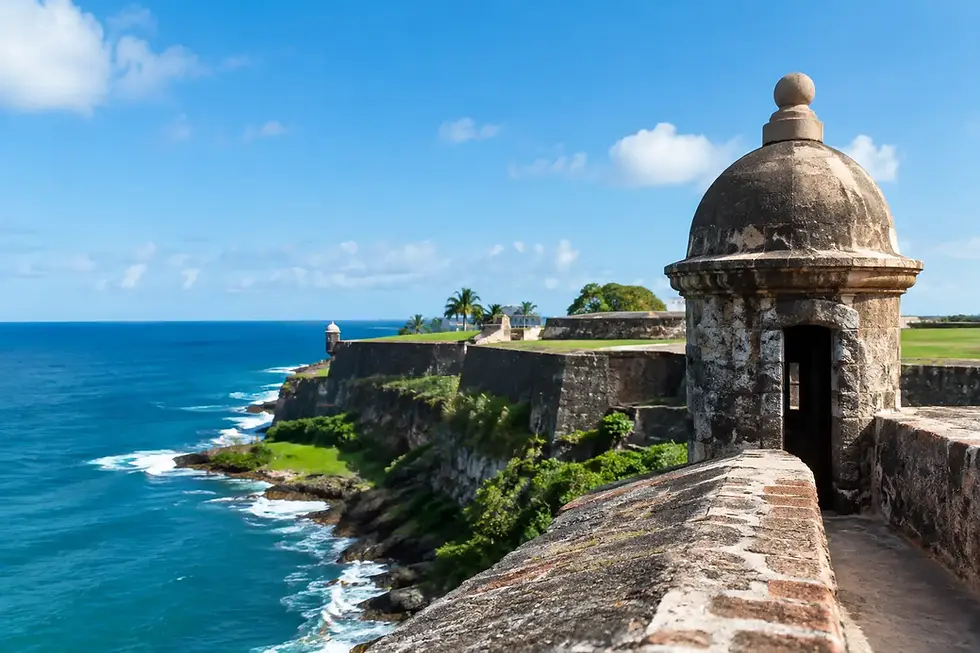
If Old San Juan is part of your day, arrive early or use a garage or paid lot from the start. Then explore on foot. This is one destination where parking once and staying parked is the move. You can wander from El Morro to Paseo de la Princesa, pause for coffee, and follow your own curiosity without returning to relocate the car every hour.
Street spaces may be available, but they are limited and often subject to meters or time restrictions. Read the payment instructions carefully and keep an eye on the time. Some payment systems may require coins, cards, or a local app, so a garage can be less stressful if you are short on data, unfamiliar with the system, or visiting during a festival, cruise-ship day, or weekend evening.
Beaches, Kiosks, and Nature Stops
Outside the city, parking often becomes easier, but the rules become less predictable. Popular beaches may have an official paid lot, an informal attended lot, roadside spaces, or all three. At major destinations, choosing the official lot is usually worth it. You are more likely to have a clear place to park, a shorter walk, and less risk of getting stuck in sand or blocking access.
Never drive onto a beach, dune, trail, or unmarked sandy shoulder unless it is specifically permitted and suitable for your vehicle. Rental cars and soft sand are a bad combination. A vehicle that seems fine on packed ground can sink quickly after rain or near the waterline.
At kiosks, roadside restaurants, and small-town attractions, watch where locals park without copying behavior blindly. Leave room for delivery vehicles, residents, and cars to pass. If an attendant is directing vehicles, follow their instructions and ask about the fee before walking away. Carrying small bills can be helpful at smaller lots, though many established businesses accept cards.
For trailheads and natural areas, arrive earlier than you think you need to. Parking can fill before midday, especially on weekends and holidays. The early start gives you a better space, cooler hiking conditions, and more time to enjoy the route at your own pace.
Rental Car Tips That Save Time
Before leaving the rental lot, take photos of the vehicle from every angle and note the license plate, color, and model in your phone. Parking areas can look similar after a beach day or an evening in a lively district, and this small step saves the classic vacation moment of wandering a lot while repeatedly clicking the key fob.
Choose a vehicle that matches your itinerary. A compact car is easier to park in Old San Juan, Condado, Santurce, and smaller town centers. A larger SUV may feel more comfortable for families, luggage, or mountain roads, but it can make tight garages and narrow streets more challenging. There is no universal best choice - it depends on whether your trip is city-heavy, beach-focused, or built around road trips.
Do not leave the rental agreement, passports, or travel documents in the car. Keep the rental company’s roadside assistance number saved offline in case you need help, and check your fuel level before returning the vehicle. Gas stations near airports can be busy, so give yourself extra time on departure day.
A Simple Strategy for Stress-Free Stops
The most successful road-trip days have a little margin built in. Rather than scheduling every stop down to the minute, assume that parking in a popular area might take 10 to 20 extra minutes. That buffer changes the mood completely. You are not frustrated when a lot is full - you simply move to the next option.
Before heading out, check whether your destination has a visitor center, official lot, garage, or parking guidance. Download maps for areas where reception may be inconsistent, especially in mountainous regions. Screenshot any reservation details, gate instructions, or host messages you may need after losing signal.
When you arrive, pick the safest reasonable option instead of chasing the perfect free space. Pay attention to lighting if you will return after dark, lock the car, take a quick photo of the lot or nearby landmark, and get back to the adventure.
Coquí Guides is built for that kind of freedom: local insight, memorable stops, and the flexibility to explore on your own schedule. Let parking be one small, manageable part of the journey - then follow the road toward the viewpoints, flavors, beaches, and hidden gems that made you come to Puerto Rico in the first place.


Comments