


8 Best Puerto Rico Coastal Trails for Your Trip

The best Puerto Rico coastal trails do more than lead to a pretty beach. They bring you past salt flats glowing in the sun, cliffs hammered by Atlantic waves, quiet coves, old fort walls, and dry forests where the landscape feels a world away from the resort strip. For independent travelers, these routes turn a beach day into an unforgettable adventure - on your own schedule.
How to Choose the Right Coastal Trail
Puerto Rico's coast changes dramatically from one side of the island to the other. The southwest is drier, hotter, and full of limestone cliffs and salt flats. The northeast feels lusher and often has calmer coves, while the north coast delivers dramatic surf and rugged rock formations.
The right trail depends on the experience you want. Choose a lighthouse walk or waterfront promenade for an easy outing with kids, a rocky shoreline route for big views and a little thrill, or a refuge trail when wildlife is the main event. Trail access, weather, and sea conditions can change, especially after heavy rain or high surf, so always check local notices before heading out.
8 Best Puerto Rico Coastal Trails to Add to Your Route
Playa Sucia to Los Morrillos Lighthouse, Cabo Rojo
This is the classic southwest coastal walk, and it earns the reputation. From the Playa Sucia area, a broad path leads toward the striking white-and-red Los Morrillos Lighthouse. On one side are calm, blue-green waters and a crescent beach; on the other, limestone cliffs drop toward the Caribbean.
Come in the morning before the heat builds and give yourself time to wander beyond the lighthouse viewpoints. The terrain is exposed, with little shade, so this is an easy walk that still demands water, sun protection, and sturdy sandals or shoes. It is an excellent choice for couples and families who want huge scenery without a difficult hike.
La Zanja Trail in Guánica Dry Forest
Guánica's dry forest is one of Puerto Rico's most surprising landscapes. Cacti, thorny shrubs, and pale limestone replace the tropical rainforest image many visitors expect, and the coastal sections reveal secluded water views along the way.
La Zanja is a rewarding option for hikers who want nature and a sense of discovery. Conditions can feel intense at midday, particularly in the drier months, and the trail is better for travelers comfortable walking on uneven ground. Bring more water than you think you need, start early, and use the reserve's current map and guidance to confirm which paths are open.
Cabo Rojo Salt Flats and Wildlife Refuge Paths
Near Cabo Rojo, the salt flats create a coastal scene unlike anywhere else on the island. Depending on the light and season, the evaporation ponds can range from soft pink to bright white and deep blue. Walking the roads and paths around the refuge pairs wide-open views with a chance to spot shorebirds and other wildlife.
This is less of a shaded hiking trail and more of a scenic, sun-soaked exploration. That is part of the appeal. Combine it with the nearby lighthouse area, but do not rush it: birds, changing colors, and long horizons reward a slower pace.
Seven Seas to Playa Colora, Fajardo
Fajardo offers a more relaxed coastal escape, especially for travelers staying on the east side of the island. Around Seven Seas Beach, coastal paths can lead toward wilder stretches of shoreline, including Playa Colora, where the sand and surrounding vegetation feel more secluded than the main beach.
This route is best approached with flexibility. Access paths and conditions can vary, and some areas are rougher or less clearly marked than formal park trails. Wear shoes that can handle roots, sand, and mud after rain. If you are hoping for a gentle beach-and-walk day rather than a serious hike, this is a strong fit.
Cueva del Indio Coastal Walk, Arecibo
For raw north-coast drama, Cueva del Indio is hard to beat. The walking route follows sharp limestone along the Atlantic, with natural arches, blowholes, sea caves, and pounding surf below. Indigenous petroglyphs are associated with the cave area, adding another layer of significance to the stop.
This is not the trail for flip-flops or careless footing. The rock is uneven and can be slick, wave conditions can be dangerous, and access arrangements may change. Stay well back from cliff edges, do not descend into unsafe areas, and treat the ocean with respect. Go for the views, but let safety set the limits.
Guajataca Tunnel and Coastal Bluffs, Isabela
The historic Guajataca Tunnel is a short, memorable coastal walk with plenty of character. Once part of a railroad route, the tunnel opens toward a beach backed by dramatic cliffs and the restless north Atlantic. It is an easy stop to work into a day of exploring Isabela's beaches and surf towns.
The tunnel itself is quick, but the surrounding coastline invites you to linger. This is a good route for travelers who want a big visual payoff without committing to a long hike. After rain, expect muddy spots, and during high surf, admire the water from a safe distance rather than venturing onto exposed rocks.
Paseo del Morro, Old San Juan
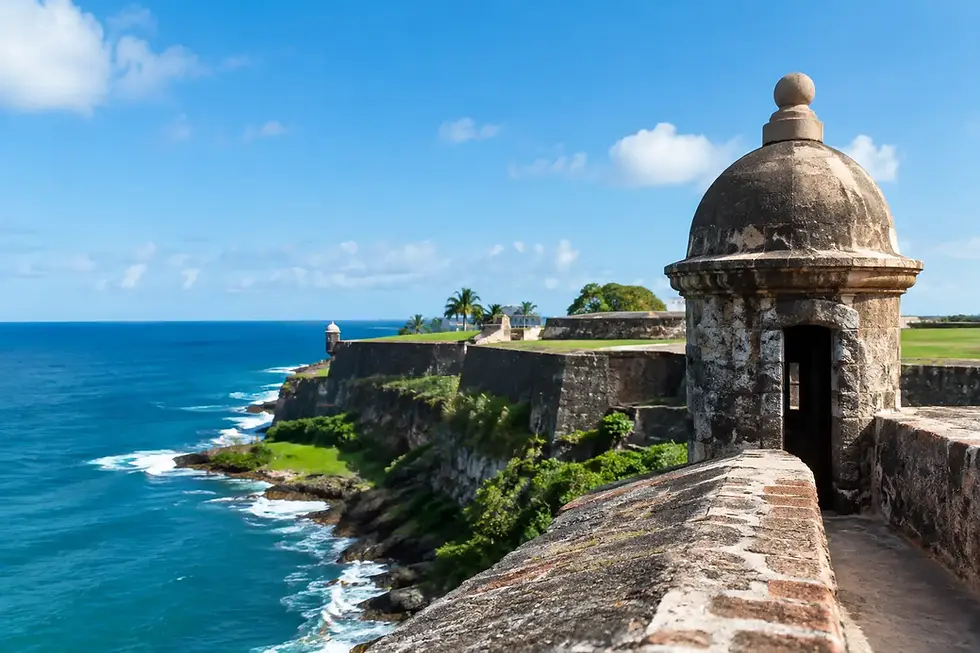
Not every coastal trail has to be wild. Paseo del Morro runs along the water beneath Old San Juan's massive fortress walls, delivering a beautiful mix of sea breeze, history, and city energy. The paved route is approachable for most visitors and especially useful when you want to stretch your legs between historic sites and dinner plans.
Walk it near sunset for softer light on the fortifications and bay. Unlike remote nature routes, this is a place where you can travel light and still have a great experience. It is also one of the easiest ways to add a waterfront walk to a short Old San Juan itinerary.
Tamarindo to Carlos Rosario, Culebra
A ferry or short flight to Culebra adds logistics, but the payoff is a coastal outing with exceptional snorkeling potential. The walk between Tamarindo Beach and Carlos Rosario Beach follows a sun-exposed, rocky shoreline route with clear water and reef life waiting at the end.
The trail is not long, yet it can feel demanding in the heat, especially with snorkel gear in hand. Wear closed-toe water-friendly shoes, pack drinking water, and protect the reef by avoiding contact with coral. This is a trail for travelers who want their hike to end with a swim, not just a photo.
Plan for the Coast, Not Just the Trail
A coastal trail day goes better when you prepare for the elements rather than distance alone. Puerto Rico's sun can feel stronger than expected, and the most scenic routes often have the least shade. Pack at least these essentials:
Refillable water bottles and salty snacks
Reef-safe sunscreen, a hat, and sunglasses
Shoes with grip for limestone, roots, and wet surfaces
A charged phone with offline maps and a portable battery
Tides and waves matter, too. A calm-looking cove can change quickly, while north-coast surf may make cliffside viewpoints more dramatic but less safe. If a path is closed, a parking area is full, or the ocean feels too powerful, change plans. Puerto Rico has plenty of remarkable alternatives nearby.
For a flexible day that connects viewpoints, beaches, landmarks, and local stories, a self-guided audio experience from Coquí Guides can help you keep moving without being tied to a group timetable. Build in room for the unplanned stop, the extra swim, and the overlook you almost skipped.
The coast rewards travelers who leave a little space in the itinerary. Start early, follow the conditions, and let the sound of the waves decide when it is worth staying a little longer.


Comments